
Your Turn
Yazmil Soriano
Guest Columnist
[July 18, 2025]
The 2024 hurricane season was a brutal one for Sarasota.
Hurricanes Debby, Helene, and Milton left a trail of devastation, but the struggles endured by households in Newtown, Sarasota’s historic African American community, have been severely underreported.
Pre-existing vulnerabilities exacerbated the impact of these storms on Newtown families.
Now, a month into this year’s hurricane season, palpable anxiety hangs heavy in the air, especially for residents just now accessing federal assistance for last year’s damage.
Over the past three years, the U.S. Department of Housing and Urban Development (HUD) has awarded Sarasota County over $400 million in Community Development Block Grants (CDBG) to aid in recovery from the hurricanes and prepare for future disasters.
Up to five percent of this grant, or $20 million, funds Resilient SRQ, the new Sarasota County department responsible for administering the HUD grant allocation process.
CDBG is a federal grant program designed to help the most vulnerable populations in affected areas.
Resilient SRQ’s 2024 Action Plan draft acknowledges this, stating that “following major disasters, those who are struggling to recover tend to disproportionately include minority populations, persons who are elderly or aging in place, people with disabilities, families with children, and households with limited English proficiency.”
As part of the CDBG process, HUD provides access to Racially or Ethnically Concentrated Areas of Poverty (RECAP) maps and data. Resilient SRQ identified two RECAP zones within Sarasota County, specifically Tracts 200 and 300, which encompass Newtown.
According to the county writers, as of September 2023, Newtown meets the HUD RECAP definition: census tracts with a concentration of both poverty and minority populations, where poverty rates exceed three times the average tract poverty rate for the metropolitan area, and a non-White population is 50% or more.
Most of us Newtown residents have been painfully aware of the economic disparity between our historically Black neighborhood and the wealth that surrounds us.
We appreciate our county government’s recognition of Newtown meeting the Racially or Ethnically Concentrated Areas of Poverty definition.
The opportunity to build resilience within the county’s two most disadvantaged census tracts – and to counter the lack of infrastructure and support systems that would help us better weather major disasters – aligns perfectly with the goals of Community Development Block Grants funding.
Longtime disinvestment in Newtown
For generations, Newtown has faced disinvestment, leading to persistent low socioeconomic conditions, with an estimated 20% of the Area Median Income.
This stark reality means over 50% of children in Newtown live below the federal poverty level of $32,150 for a household of four, a staggering contrast to Sarasota County’s overall childhood poverty rate of 8%.
Meanwhile, the remaining percentage of children in Newtown are teetering on the brink of survival, just one unforeseen event away from extreme hardship.
When a natural disaster strikes an area already grappling with generational trauma, the effects are magnified exponentially.
The impact of the 2024 hurricane season on Newtown was profound. United Way Suncoast’s disaster recovery grants served 2,658 people from the 34234 ZIP code from December to March – the highest concentration recorded in Sarasota County.
During natural disasters, homes – which are often older and less resilient – tend to suffer greater damage. Residents with limited financial resources struggle to afford repairs, temporary housing, or even emergency needs like food and shelter.
The loss of income due to business closures and affected workplaces hits harder where every dollar counts. It’s not just about repairing homes; it’s about rebuilding lives that were already fragile.
They’re not just headlines, they’re personal struggles
As a single mother and Newtown resident, the hurricanes were not just headlines; they were a deeply personal struggle.
We lost so much.
What hurts most is seeing my neighbors, especially older people and families with young children, facing the same struggles with nowhere to turn.
I’ve been working tirelessly with affected families, witnessing firsthand the compounding trauma of poverty and disaster. The 3,200 students attending the four Title I schools in Newtown carry the trauma of poverty into their classrooms – often lacking access to basic necessities for healthy development (including pediatric care, nutritious food, mentors, and social activities).
We urge Sarasota County Commissioners to make a conscientious effort to overcome barriers to information access, including literacy, language, technology, transportation, and a pervasive lack of trust in local government.
We ask the commissioners to support infrastructure projects that can bring place-based resources and programming directly to Newtown – not just when disaster hits, but in a sustained way so that we can take care of our own.
Newtown has endured enough; it is time to improve the quality of life for its children.
These federal dollars represent a great opportunity to build Newtown’s resilience and invest in its children. Indeed, there may never be a better opportunity.
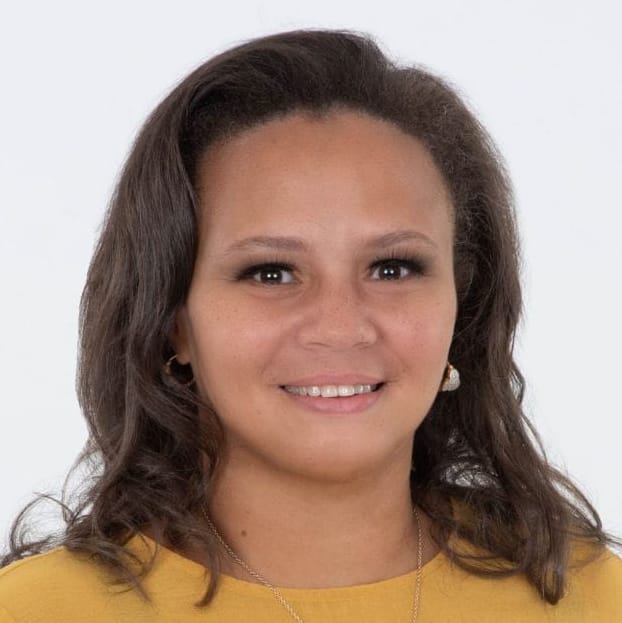
Yazmil Soriano is a Newtown resident caring for her daughter and goddaughter. Formerly the community engagement liaison and special programs manager of the Healthy Start Coalition of Sarasota, she is a neighborhood leader in Newtown Estates. As a member of the Newtown Family Center Steering Committee, Yazmil is developing the Parent Advisory Committee, a critical component of the place-based model. Contact Yazmil at yazmil.soriano@newtownfamilycenter.org.